
Introduction
Dubai, the jewel of the United Arab Emirates, is a dazzling metropolis where futuristic skyscrapers pierce the desert sky, luxury shopping malls rival small cities, and ambitious mega-projects continuously redefine what's possible. This city of superlatives boasts the world's tallest building (Burj Khalifa), largest shopping mall (Dubai Mall), and most luxurious hotels, yet maintains deep connections to its Bedouin heritage and Islamic traditions. Home to over 3 million residents from 200+ nationalities, Dubai exemplifies modern multiculturalism where traditional souks neighbor ultra-modern developments, where desert safaris complement beach clubs, and where ancient trading port history meets cutting-edge innovation.
The city's diverse districts each offer unique experiences. Downtown Dubai showcases architectural marvels like Burj Khalifa and Dubai Fountain. Dubai Marina's waterfront promenade buzzes with restaurants and yachts. Jumeirah Beach Residence (JBR) provides beach access and entertainment. Old Dubai's Deira and Bur Dubai preserve traditional atmosphere with gold and spice souks. Palm Jumeirah, the iconic artificial island, houses luxury resorts and residences. Dubai Creek divides the historic areas, where traditional abras (water taxis) still ferry passengers. Each area reflects different facets of Dubai's transformation from fishing village to global city.
Beyond its architectural wonders, Dubai captivates with its lifestyle—world-class dining from Michelin-starred restaurants to authentic shawarma stands, tax-free shopping from haute couture to traditional textiles, and entertainment ranging from desert adventures to indoor skiing. The city's safety, cleanliness, and efficiency make it exceptionally visitor-friendly. Excellent infrastructure, including the modern metro system, facilitates easy exploration. Whether you're ascending Burj Khalifa, shopping in air-conditioned mega-malls, experiencing desert dunes, or relaxing on pristine beaches, Dubai delivers experiences that blend Arabian hospitality with contemporary luxury.
Best Time to Visit
Winter (November to March)
Winter offers Dubai's most pleasant weather with temperatures between 20-30°C (68-86°F), making it peak tourist season. November to March provides perfect conditions for outdoor activities, beach days, and desert safaris. December and January are busiest, with higher hotel rates and crowded attractions, so book well in advance. However, the comfortable weather compensates with ideal conditions for exploring outdoor attractions like Dubai Miracle Garden, Global Village, and beach clubs. Major events include Dubai Shopping Festival (January-February) with massive sales and entertainment, Dubai World Cup horse racing (March), and numerous concerts and festivals. Despite being peak season, Dubai's infrastructure handles crowds efficiently.
Spring (April to May)
Spring brings rising temperatures between 25-38°C (77-100°F) as Dubai transitions to summer heat. April remains relatively comfortable, especially for indoor activities and evening outings. May sees temperatures climbing significantly, making midday outdoor activities challenging. However, this shoulder season offers advantages: lower hotel rates than winter, fewer tourists, and still-functional beach weather in April. Many hotels offer attractive packages as peak season ends. Indoor attractions like Dubai Mall, Mall of the Emirates with Ski Dubai, and museums provide air-conditioned comfort. Plan outdoor activities for early morning or evening. Pool and beach clubs remain popular. It's a good time for budget-conscious travelers willing to handle increasing heat.
Summer (June to September)
Summer brings extreme heat with temperatures soaring to 40-48°C (104-118°F) and high humidity, making outdoor activities nearly impossible during the day. However, summer is low season with significant advantages: hotel rates drop 40-60%, attractions are less crowded, and Dubai Summer Surprises festival (July-August) offers shopping deals and entertainment. The city adapts with air-conditioning everywhere—malls, metro, taxis, and indoor attractions maintain comfortable temperatures. Beach clubs with pools and shade remain popular. Plan any outdoor activities for after sunset when temperatures drop to more bearable levels. Many residents leave for vacation, so some restaurants close, but tourist areas stay fully operational. Summer suits travelers prioritizing indoor luxury, shopping, and budget savings over outdoor exploration.
Fall (October)
October marks the transition from scorching summer to pleasant winter, with temperatures gradually cooling from 35°C to 28°C (95°F to 82°F). Early October still feels quite hot, but late October becomes more comfortable for outdoor activities. This shoulder season offers excellent value with lower hotel rates than peak winter season but improving weather conditions. Fewer tourists mean shorter queues at attractions. Beaches become enjoyable again, and outdoor dining returns to popularity. It's an ideal time for travelers seeking good weather without peak season crowds and prices. Many hotels offer attractive packages to attract visitors before the winter rush. Cultural events and exhibitions begin as the city's social season kicks off.
Top Attractions
Burj Khalifa
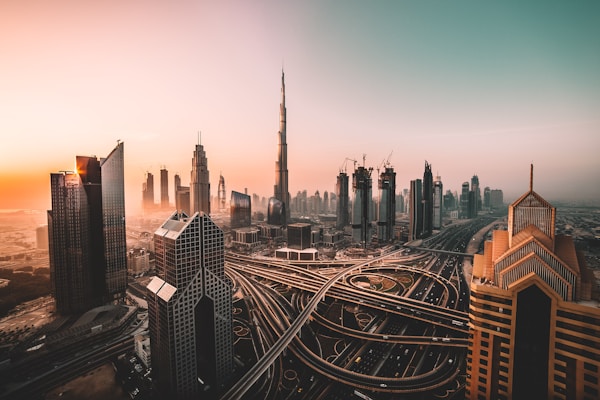
The Burj Khalifa, standing at 828 meters (2,717 feet), is the world's tallest building and Dubai's most iconic landmark. The observation decks on the 124th, 125th, and 148th floors offer breathtaking 360-degree views of Dubai's skyline, desert, and Arabian Gulf. The high-speed elevator journey takes just 60 seconds to reach the 124th floor. At the Top Sky on the 148th floor provides the highest observation deck experience with luxury lounge access. Visit during sunset for magical views as the city transitions from day to night. The Dubai Fountain show at the base performs every 30 minutes in the evening with choreographed water, music, and lights. Book tickets online in advance for better rates (AED 149-378 depending on level and time). Prime time slots (sunset) cost more but offer the best experience. Allow 1-2 hours for your visit.
Dubai Mall
Dubai Mall, one of the world's largest shopping centers, is more than just retail—it's an entertainment destination. With over 1,200 stores ranging from luxury brands to high-street fashion, it caters to every budget. Beyond shopping, the mall houses Dubai Aquarium & Underwater Zoo with a massive viewing panel and walk-through tunnel showcasing thousands of aquatic animals. The Olympic-sized ice rink hosts public skating sessions. VR Park offers virtual reality experiences. KidZania provides educational entertainment for children. The mall connects directly to Burj Khalifa and overlooks Dubai Fountain. Dining options range from food courts to upscale restaurants. The Souk section recreates traditional Arabian market atmosphere. Visit during weekdays to avoid weekend crowds. Allow at least half a day to explore properly. The mall is free to enter, though attractions charge separately.
Palm Jumeirah

Palm Jumeirah, the iconic palm-shaped artificial island, represents Dubai's ambitious engineering and vision. The trunk and fronds house luxury villas and apartments, while the crescent breakwater features resort hotels including the famous Atlantis The Palm. Visit Atlantis for its Aquaventure Waterpark with thrilling slides and lazy rivers, The Lost Chambers Aquarium showcasing marine life in underwater ruins-themed exhibits, and Dolphin Bay for dolphin encounters. The Palm's boardwalk offers 11 km of waterfront promenade perfect for walking, jogging, or cycling with stunning views. The View at The Palm observation deck provides 360-degree vistas from 240 meters high. Numerous beach clubs, restaurants, and cafes line the island. The Palm Monorail connects the trunk to the crescent, offering unique aerial views. Day passes to hotel beaches and pools provide access to luxury facilities. Photography opportunities abound, especially from the crescent looking back at the palm shape.
Dubai Marina
Dubai Marina, a stunning waterfront development, features a 3 km artificial canal lined with skyscrapers, yachts, restaurants, and promenades. The Marina Walk offers pleasant strolling with numerous dining options from casual cafes to fine dining. Dubai Marina Mall provides shopping and entertainment. Traditional dhow dinner cruises depart from the marina, combining sightseeing with buffet meals and entertainment. Luxury yacht charters offer more exclusive experiences. The Marina's beach, JBR (Jumeirah Beach Residence), features a long sandy beach with water sports, beach clubs, and The Walk—a bustling promenade with shops, restaurants, and street performers. Ain Dubai, the world's largest observation wheel (currently closed for maintenance), dominates the skyline. The area comes alive in the evening with illuminated towers and vibrant nightlife. It's perfect for people-watching, dining, and experiencing Dubai's modern lifestyle.
Gold and Spice Souks

Dubai's traditional souks in Deira offer authentic Arabian market experiences contrasting with modern malls. The Gold Souk dazzles with hundreds of shops displaying gold jewelry, from traditional Arabic designs to contemporary pieces. Dubai's gold prices are competitive globally, and bargaining is expected—start at 50-60% of the asking price. The nearby Spice Souk enchants with aromatic spices, dried fruits, nuts, and traditional remedies displayed in colorful mounds. Vendors offer samples and explain uses of exotic spices like saffron, cardamom, and za'atar. The Perfume Souk sells traditional Arabian attars (oil-based perfumes) and international fragrances. These covered markets preserve old Dubai's trading heritage. Visit in the evening when it's cooler and more atmospheric. The souks are easily accessible by metro (Al Ras station) or traditional abra boats across Dubai Creek (just 1 AED). Bargaining is part of the experience—be friendly but firm. Allow 2-3 hours to explore all three souks.
Desert Safari
A desert safari offers quintessential Dubai experiences combining adventure, culture, and natural beauty. Tours typically include hotel pickup, dune bashing in 4x4 vehicles (thrilling rides over sand dunes), camel riding, sandboarding, and sunset photography opportunities. Evening safaris culminate at Bedouin-style camps with traditional entertainment including belly dancing, Tanoura shows, and fire performances. Enjoy Arabic coffee, dates, and BBQ buffet dinners with Middle Eastern cuisine. Some tours offer henna painting, shisha smoking, and falconry displays. Morning safaris focus more on activities and wildlife spotting. Overnight safaris include camping under stars. Premium tours offer private camps, hot air balloon rides, and luxury amenities. Tours range from budget group experiences (AED 150-200) to luxury private safaris (AED 1,000+). Book with reputable operators for safety. Wear comfortable clothes and closed shoes. Bring sunscreen and sunglasses. The experience typically lasts 6-7 hours for evening safaris.
Things to Do
Experience Indoor Skiing at Ski Dubai

Ski Dubai at Mall of the Emirates offers the surreal experience of skiing and snowboarding in the desert. This indoor ski resort maintains -4°C temperatures year-round with real snow covering five slopes of varying difficulty, including a 400-meter run and the world's first indoor black diamond run. The Snow Park area provides snow activities for non-skiers including toboggan runs, snow cavern exploration, and penguin encounters. Equipment rental and lessons are available for all skill levels. The facility provides winter clothing, though you can bring your own. Ski passes start from AED 200 for 2 hours. The penguin encounter experience allows close interaction with these adorable birds. It's a unique experience, especially for visitors from warm climates who rarely see snow. The adjacent mall offers dining and shopping. Sessions can get crowded on weekends, so weekday visits are recommended. Book online for better rates and guaranteed slots.
Visit Dubai Frame
Dubai Frame, a 150-meter-high architectural landmark, literally frames views of old and new Dubai. The structure's design resembles a giant picture frame connecting Zabeel Park. The ground floor museum showcases Dubai's transformation from fishing village to modern metropolis through multimedia exhibits. A glass elevator takes you to the sky bridge on the 48th floor, where glass floor panels provide thrilling views straight down. One side overlooks historic Dubai with souks and old neighborhoods, while the other showcases modern Dubai with Burj Khalifa and skyscrapers. The top floor gallery presents visions of Dubai's future. The experience combines history, present, and future in one attraction. Tickets cost AED 50 and should be booked online to skip queues. Visit during late afternoon to see both daylight and evening views. The attraction is less crowded than Burj Khalifa but offers equally impressive perspectives. Allow 1-1.5 hours for the full experience. Photography is encouraged throughout.
Explore Global Village
Global Village, open November to April, is a massive cultural and entertainment destination featuring pavilions from over 75 countries. Each pavilion showcases that nation's culture, handicrafts, cuisine, and entertainment. Shop for unique items from around the world—Indian textiles, Turkish ceramics, African art, Asian electronics, and more. The food offerings span global cuisines from authentic street food to sit-down restaurants. Nightly entertainment includes cultural performances, concerts, and spectacular shows. Thrill rides and carnival games provide family entertainment. The Main Stage hosts international performers and acrobatic shows. Fireworks displays light up the sky on weekends. Entry is just AED 15, making it incredibly affordable. The venue is massive—wear comfortable shoes and plan at least 4-5 hours to explore properly. Visit on weekdays to avoid weekend crowds. The atmosphere is festive and family-friendly. It's an excellent way to experience world cultures without leaving Dubai.
Relax at Beach Clubs
Dubai's beach clubs offer luxurious seaside experiences combining pristine beaches, infinity pools, gourmet dining, and impeccable service. Popular clubs include Nikki Beach with its white-themed décor and party atmosphere, Zero Gravity with beach and pool access plus water sports, and Cove Beach with Instagrammable settings and DJ sessions. Most clubs offer day passes (AED 100-300) including beach access, loungers, and sometimes food/beverage credit. Facilities typically include pools, restaurants, bars, showers, and water sports equipment. Some clubs host famous DJs and themed parties, especially on weekends. Dress codes apply—resort casual is standard. Book in advance, especially for weekends and during peak season. Beach clubs provide a more exclusive, service-oriented experience than public beaches. They're perfect for relaxing, socializing, and enjoying Dubai's beach lifestyle. Many are located in luxury hotels, so you can combine beach club visits with spa treatments or fine dining.
Take a Dhow Cruise

Traditional dhow cruises offer romantic ways to see Dubai from the water while enjoying dinner and entertainment. Dubai Creek cruises navigate the historic waterway between Deira and Bur Dubai, showcasing old Dubai's charm with traditional architecture and illuminated souks. Dubai Marina cruises glide past modern skyscrapers and luxury yachts, offering contemporary Dubai views. Most cruises include international buffet dinners with Arabic and continental dishes, live entertainment (traditional music, Tanoura dance), and open-air upper deck seating. Cruises typically last 2-3 hours, departing around 8-9 PM. Prices range from AED 50-150 per person depending on the operator and inclusions. The gentle pace and romantic ambiance make dhow cruises popular for couples and families. Some operators offer private charters for special occasions. The experience combines sightseeing, dining, and cultural entertainment in one package. Book through reputable operators for quality experiences. Dress modestly and comfortably. It's a relaxing way to end a day of sightseeing.
Shop at Traditional and Modern Markets
Dubai offers shopping experiences ranging from traditional souks to ultra-modern malls. Beyond the Gold and Spice Souks, explore the Textile Souk for fabrics and traditional garments, and the Perfume Souk for Arabian fragrances. Modern shopping includes Dubai Mall, Mall of the Emirates, and Ibn Battuta Mall with themed architecture. City Walk offers outdoor shopping with boutiques and street art. The Dubai Shopping Festival (January-February) and Dubai Summer Surprises (July-August) feature massive sales, raffles, and entertainment. Outlet malls like Dubai Outlet Mall offer discounted international brands. Friday markets and weekend bazaars showcase local artisans and vintage finds. Dubai's tax-free status makes luxury goods particularly attractive. Bargaining is expected in souks but not in malls. Many malls stay open until midnight, especially on weekends. Shopping in Dubai isn't just about buying—it's an experience with entertainment, dining, and attractions integrated into retail spaces.
Travel Tips
Transportation
Dubai's public transport is modern and efficient. The Dubai Metro (Red and Green lines) connects major areas including airport, Downtown Dubai, Dubai Marina, and business districts, operating 5 AM-midnight (later on weekends). The metro is clean, air-conditioned, and affordable—get a Nol Card (rechargeable smart card) for all public transport. Taxis are metered, clean, and reasonably priced with AED 12 starting fare. Uber and Careem (regional equivalent) offer app-based rides. The Dubai Tram connects Dubai Marina to Palm Jumeirah. Public buses cover areas not served by metro. Water taxis and abras cross Dubai Creek. Renting a car is viable—roads are excellent and parking generally available, though traffic can be heavy. However, taxis and ride-sharing are often more convenient for tourists. Walking is challenging due to heat and distances between attractions. Most hotels offer shuttle services to major malls and beaches.
Money and Budgeting
The UAE uses the Dirham (AED), pegged to the US dollar at approximately 3.67 AED per USD. Credit cards are widely accepted everywhere. ATMs are abundant for cash withdrawals. Currency exchange offices offer competitive rates, often better than banks. Budget travelers can manage on AED 300-500 daily including budget hotel, street food, and public transport. Mid-range travelers need AED 800-1,500 for comfortable hotels, restaurant meals, and attraction entries. Luxury travelers can easily spend AED 3,000+ daily on five-star hotels and fine dining. Dubai can be expensive, but deals exist—many attractions offer online discounts, lunch menus are cheaper than dinner, and happy hours provide drink deals. Tipping isn't mandatory but appreciated—10% at restaurants, round up taxi fares, AED 5-10 for hotel porters. Dubai has no income tax, and shopping is tax-free, making luxury goods relatively affordable. Many attractions offer combination tickets for savings.
Language and Etiquette
Arabic is the official language, but English is widely spoken in all tourist areas, hotels, restaurants, and shops. Basic Arabic phrases like "Marhaba" (hello), "Shukran" (thank you), and "Inshallah" (God willing) are appreciated. Dubai is Muslim, so respect Islamic customs and traditions. Dress modestly in public—cover shoulders and knees, especially in traditional areas and government buildings. Swimwear is fine at beaches and pools but cover up when leaving. Public displays of affection should be minimal. Ramadan (Islamic holy month) brings changes—eating, drinking, and smoking in public during daylight hours is prohibited, and many restaurants close until sunset. Alcohol is only available in licensed venues (hotels, clubs) and is expensive. Never drink and drive—penalties are severe. Friday is the Islamic holy day, so some businesses have reduced hours. Dubai is very safe and clean—littering and jaywalking carry fines. Photography of government buildings and military installations is prohibited.
Safety and Practical Advice
Dubai is one of the world's safest cities with very low crime rates. However, stay alert for petty theft in crowded areas. The legal system is strict—drugs carry severe penalties including death sentences, so avoid completely. Alcohol consumption is legal only in licensed venues, and public intoxication is illegal. Respect local laws and customs to avoid legal issues. The emergency number is 999 for police, 998 for ambulance. Tap water is safe to drink but most people prefer bottled water. The sun is intense—use high SPF sunscreen, wear hats, and stay hydrated. Air conditioning is powerful everywhere, so carry a light jacket. Dubai is LGBTQ+ unfriendly—same-sex relationships are illegal, so discretion is essential. Healthcare is excellent but expensive—travel insurance is highly recommended. Most hotels and malls have prayer rooms. During summer, limit outdoor exposure during peak heat (11 AM-4 PM). Dubai is very clean—littering fines are AED 500. The city is extremely tourist-friendly with helpful locals and excellent infrastructure.
Final Thoughts
Dubai is a city of superlatives and contrasts where ancient traditions meet futuristic ambitions. Whether you're ascending the world's tallest building, shopping in massive malls, experiencing desert adventures, or relaxing on pristine beaches, Dubai delivers experiences that blend luxury, culture, and innovation. The city's safety, cleanliness, and efficiency make it exceptionally welcoming for visitors. Embrace the Arabian hospitality, respect local customs, and discover why Dubai has become one of the world's most visited destinations. Safe travels and enjoy your Dubai adventure!